
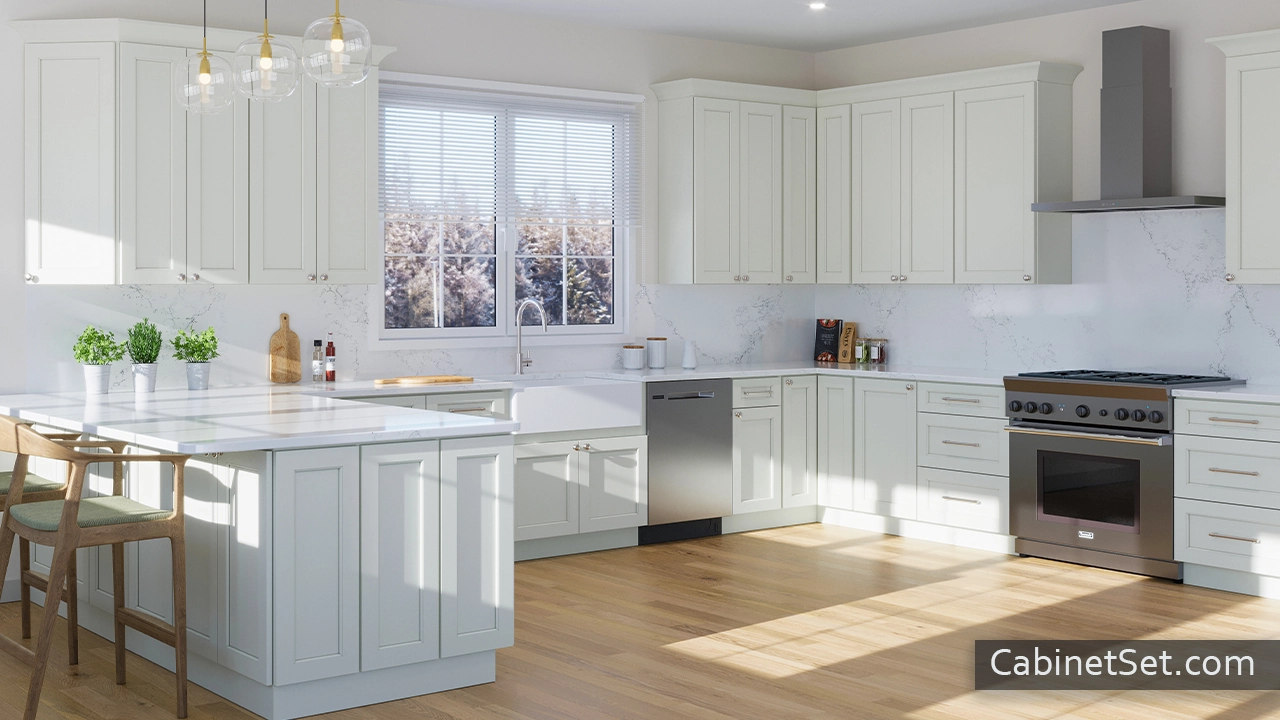
Selecting the right kitchen cabinets is one of the most important decisions to be made during any remodel. Ready-to-Assemble (RTA) kitchen cabinets have recently become the most popular choice for homeowners as they are easy to use and reduce project time.
If you’re looking for durable storage that can withstand normal kitchen use, it’s important to know the difference between good‑quality cabinets and low‑quality ones. This kitchen cabinet construction guide highlights the aspects any homeowner should inspect before purchasing.
The Importance of Quality with RTA Cabinets
Your kitchen is a busy place, and cabinets can take quite a beating between daily opening and closing, spills, humidity, and load. Selecting less expensive materials can save you upfront, but you run the risk of warping, cracking, and sagging shelves down the line.
High‑quality kitchen cabinets, specifically solid wood RTA kitchen cabinets, do not use only particle board but also outlast traditional “big box” cabinets. The only thing you are putting together is the combination of precut panels using a cam‑lock system to hold them in place.
Good quality also affects aesthetics. Stronger frames and better finishes keep paint and stain finishes looking flawless, helping you craft the backbone of your kitchen design. As RTA cabinets are all delivered flat‑packed, better‑built designs make for quicker and easier assembly with fewer headaches.
Go for Solid Wood RTA Cabinets in Important Places
Solid wood isn’t necessary for all parts of cabinetry, but certain components can benefit greatly from it. High‑end RTA manufacturers employ solid wood RTA cabinets for doors, face frames, and drawer fronts.
Why Solid Wood Matters
The reasons why solid wood matters are:
- It grips onto screws and hinges firmly
- Provides a strong and natural appearance
- Resists wear and tear
- Better for refinishing later
But solid wood isn’t good for sides and backs, as it can swell or shrink with the moisture level. That’s where plywood comes into play, offering rigidity without sacrificing strength.
Finishes and Coatings: Form & Protection
Good cabinets employ high‑quality stains and other finishes. A nice finish not only helps your cabinets look better, but it also resists moisture, grease, and scratches.
You need to check for:
- UV‑resistant topcoat
- Smooth, even finish without bubbles
- Factory‑applied coatings (which are harder wearing than field‑applied ones)
Solid wood RTA cabinets are so tough and strong in finishes that they will not get dirty or look dull.
Quality Assembly
High‑quality RTA cabinets will be simple to put together. The inferior quality parts can cause every door you install to be misaligned.
Look for:
- Pre‑drilled holes
- Clear labeling
- Quality screws and hardware
- Simple and sturdy assembly methods
- Good design equals easier installation
Conclusion
Just because you have decided on RTA cabinets, it doesn’t mean that you have to sacrifice quality or beauty. Whether you choose solid wood RTA cabinets for the traditional approach or simply look to get a better understanding of plywood versus particle board cabinets, we’ve hopefully helped you in making an enlightened decision.
Good cabinets are like a pair of shoes: when they wear out, you’re better off replacing them than refinishing or re‑soiling. With adequate information, your RTA cabinets will look great, work properly, and last as long as you would expect them to.