RTA Cabinets
Ready to assemble cabinets. Save money by DIY assembly

RTA Cabinets
Ready to assemble cabinets. Save money by DIY assembly
Pre-assembled Cabinets
Already assembled cabinets. Ready to install - save time.
 Oriana Kirby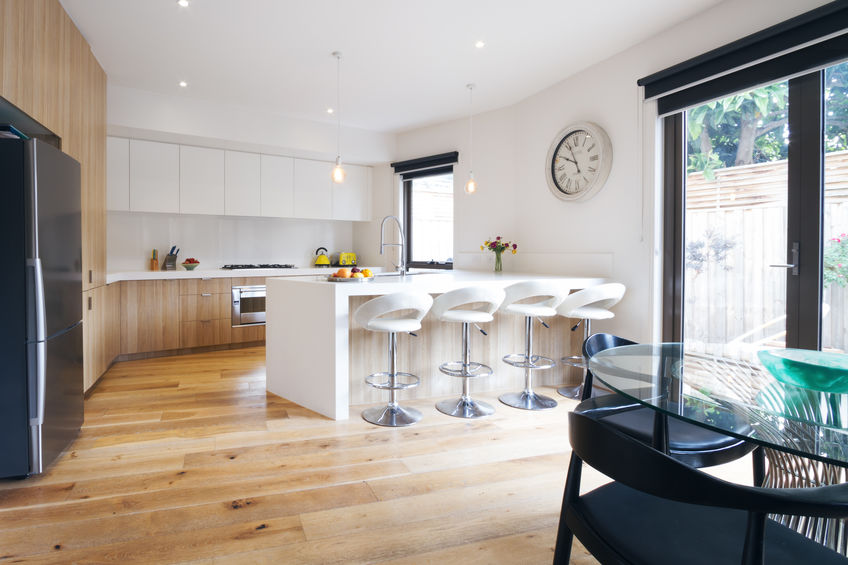
Your kitchen is likely to go through a lot – and this applies mostly to your kitchen floors. Not only do they have to deal with your spills and drips, but they also need to withstand potential humidity and dropped utensils.
For this reason, you need to be particularly careful about the type of flooring that you use. After all, you don’t want to replace the floors only to ruin them at the first incident in the kitchen. Here are some examples of kitchen flooring that you might want to consider trying.
Hardwood
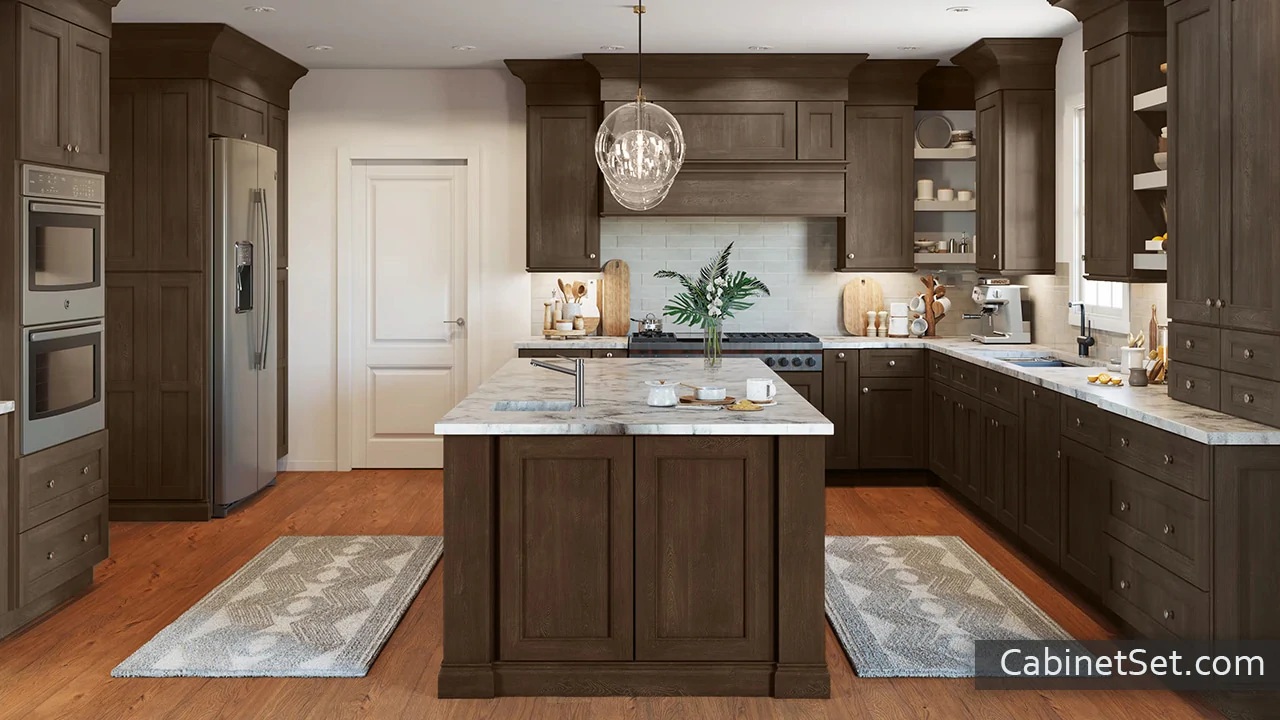
Hardwood is very popular for its durability, and it is a common choice to add to every room. For a long time, hardwood was considered to be weak against moisture and not be suitable for places like the kitchen – but nowadays, this material has gone through an entire revolution.
Modern sealers and finishes make it sleek and durable – and therefore, less susceptible to humidity damage. A well-maintained hardwood kitchen floor can easily last you for a couple of years. Plus, if it does get stained, it will get that sought “aged look” that many homeowners love.
Bamboo
As surprising as it may seem, bamboo looks like hardwood, but it is much harder in its feel. Because of its manufacturing process, it is much more resistant to stain and damage as compared to hardwood.
Indeed, it is slightly more expensive than its counterpart and a bit more difficult to refinish without a professional. Still, it won’t get ruined that easily due to various spills or scratches. Even if you were to drop an entire hot pot on the floor, the chances are that it will still survive.
Ceramic Tiles
Ceramic tiles are among the most popular options when it comes to kitchens, as they are less likely to incur any damage from humidity or spills. Plus, they are durable in the sense that even if you drop something heavy, they will not crack. The only condition here is that you go for a high-quality material.
The beauty of tiles is that they can last indefinitely without any significant changes or damage. In most cases, owners simply change it because the model went out of style and they want their kitchen to look different. But if you use a universal pattern that can look great on every wall, these tiles may easily last a lifetime.
Vinyl
If you want to renovate your kitchen on a budget, then you might want to look into vinyl. Not only can this material be bought in different patterns, but it can also give your kitchen a full makeover without breaking the bank entirely.
Vinyl is very easy to clean, is durable (provided you buy something qualitative), and is resistant to moisture. Because of this, it is the perfect addition to every kitchen. Moreover, it can provide a soft underfoot and warmth – something that can be highly convenient if your kitchen tends to get cold a lot. In comparison to ceramic tiles, vinyl won’t be as uncomfortable to step on even if you are barefoot.
Natural Stone
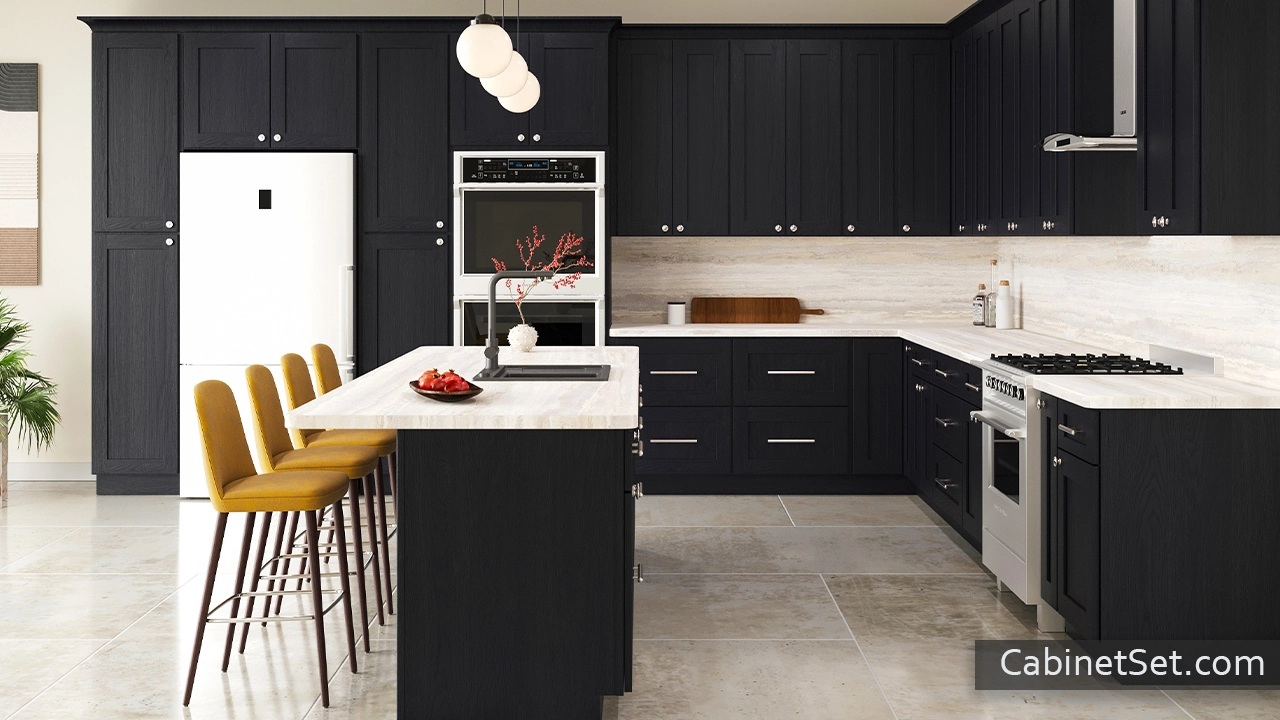
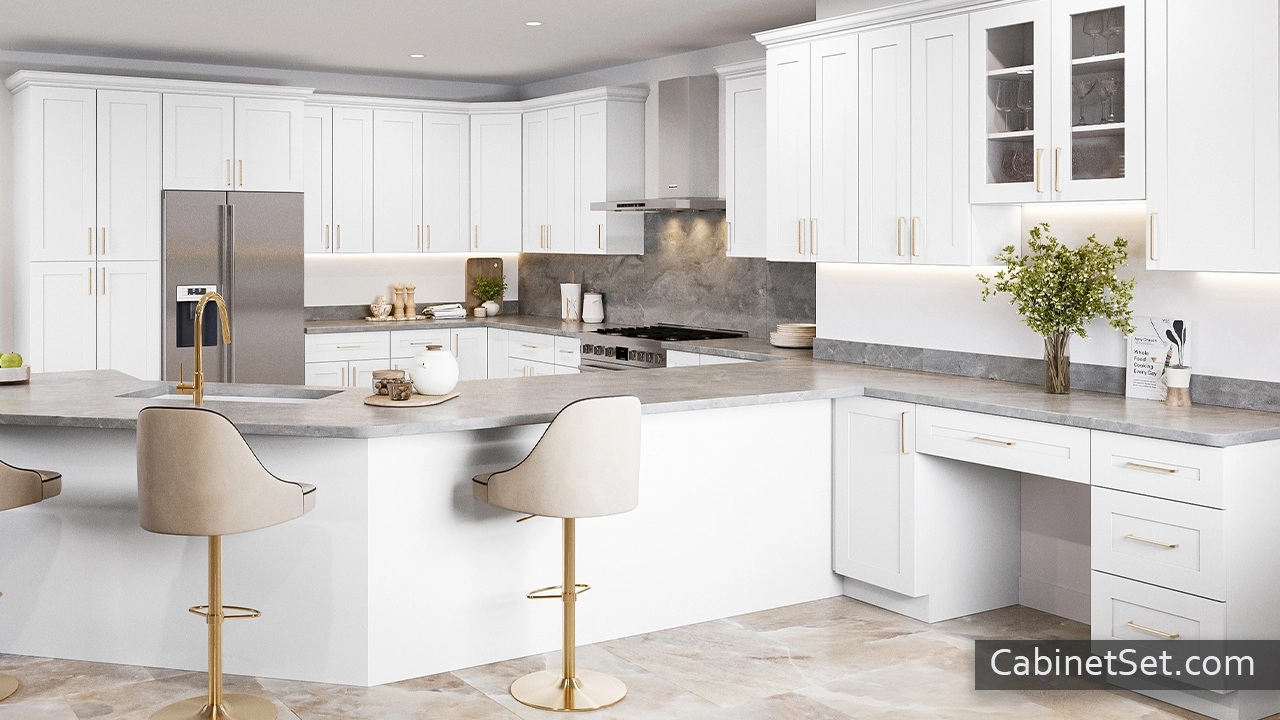
If you are very serious about investing in durability, then we’d suggest you try out natural stone tiles. It can’t get any harder than that. You may go for limestone, granite, marble, slate, sandstone, even travertine; all of these options are tougher than ceramic tiles. They are also pricier, but many consider them to be worth the price.
Natural stone gives off a more luxurious feel and usually creates a more unique appearance in your kitchen. Bear in mind that depending on the type of stone that you go for, the scratch level might be different. Plus, natural stone is porous, so it might be more susceptible to stains. However, if you go for a darker type of stone, it might still look natural even if it does get a few stains.
oriana-kirby

 RSS Feed